
Bacterial Genetics and Genomics, Chapter 7, Discussion topic 2.
It doesn’t take much to alter the sequence of a protein. Whilst some single nucleotide changes to the DNA sequence can be tolerated, others cause the gene to encode a different amino acid in the protein. Again, some of these changes to the amino acid sequence can be tolerated and generate no phenotypic outward change to the bacteria. But there are some changes that can have a big impact.
One such change has recently been reported in Burkholderia cepacia, Gram-negative opportunistic bacteria. In patients with compromised immune systems, such as people with cystic fibrosis and chronic granulomatous disease, B. cepacia can cause fatal pulmonary infections.
Some of these B. cepacia have a brown pigmentation from pyomelanin. This pyomelanin has been suggested to be involved in virulence and resistance of the bacteria to oxidative stress. However, not all infection-causing B. cepacia are pigmented, raising questions as to the role of the pigment in virulence.
Interestingly, a change in a single amino acid in HmgA (homogentisate 1,2-dioxygenase) changes the pigmentation of the bacteria. In the pigmented bacteria, HmgA has an arginine at amino acid position 378. However, in the non-pigmented bacteria the amino acid at this position is glycine.
As we know from Bacterial Genetics and Genomics, Chapter 7, arginine is larger than glycine, having a positively charged side chain with four carbons, three nitrogens, and 11 hydrogens. Glycine, however, is the smallest and most flexible amino acid, with only a hydrogen for its side chain.
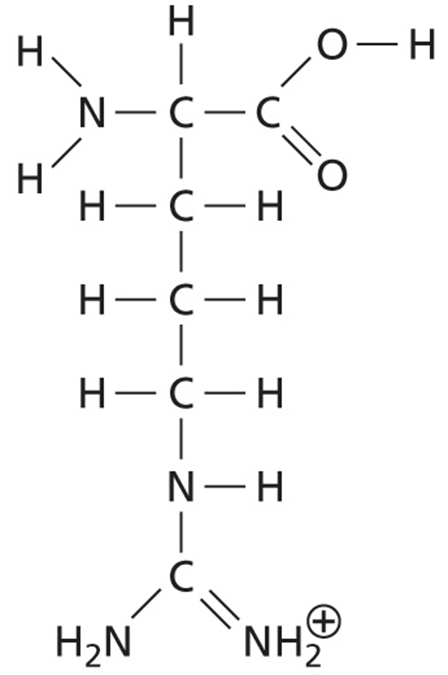
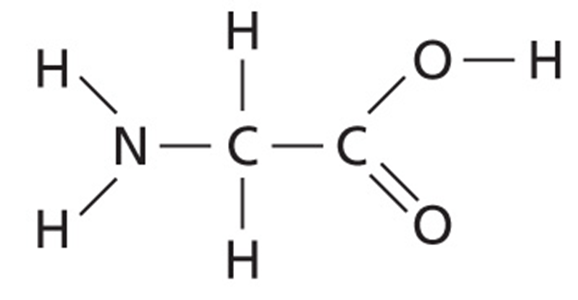
Figure of arginine (top) and glycine (bottom).
The two bacteria, one with arginine in HmgA and one with glycine in HmgA, were compared and found to have no difference in their resistance to oxidative stress by H2O2 and NO, despite the difference in pigmentation. There was also no difference in growth curves between the pigmented and non-pigmented bacteria. When investigated in a mouse model of infection, there was no difference in the virulence and infection outcome based on the HmgA sequence and the pigmentation of the bacteria. Therefore, there must be something other than the pyomelanin pigment at work. It could be that rather than pigment, or just pigment, there are other factors at work in different strains of B. cepacia that impact oxidative resistance and virulence.
 Bacterial Genetics and Genomics, by Lori A. S. Snyder